
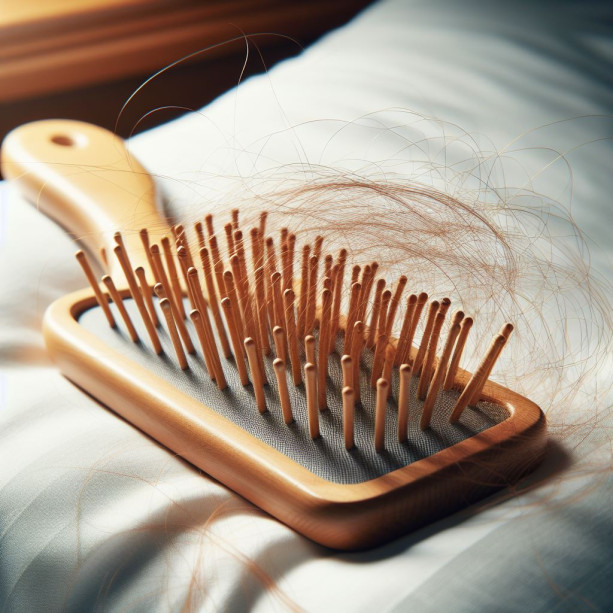
Hair Loss: Causes, Treatment, and Prevention
Hair loss is a common issue that affects many individuals at various stages of their lives. The impact of hair loss can be significant on self-esteem and confidence, making it crucial to understand its causes, prevention methods, and treatment options. In this article, we will delve into the comprehensive aspects of hair loss, starting from its causes to effective steps to manage this concern.
Causes of Hair Loss:
1. Genetic Factors:
Genetic factors play a significant role in hair loss, especially in cases of hereditary baldness. If you have a family history of hair loss, you may have a genetic predisposition to this issue.
2. Inadequate Nutrition:
Deficiency in vitamins and minerals can lead to weak and brittle hair, resulting in hair loss. A balanced diet is essential to maintain the health of your hair.
3. Stress and Psychological Pressure:
Stress and psychological pressure can contribute to hair loss. Emotional well-being affects the overall health of the body and can lead to problems in the scalp.
4. Environmental Factors:
Exposure to environmental pollution and excessive ultraviolet radiation can damage the hair, causing it to fall out. Taking measures to protect the hair from these factors can have a positive impact.
5. Dermatological Conditions:
Certain skin conditions such as psoriasis and alopecia can contribute to hair loss. Consultation with a dermatologist is advisable for the diagnosis and treatment of such conditions.
Treatment for Hair Loss:
1. Medical Treatments:
Prescribed medications from doctors can be used to treat hair loss, such as substances that promote hair growth.
2. Hair Care:
Using suitable hair care products and avoiding harmful chemicals can help maintain hair health.
3. Lifestyle Changes:
Improving lifestyle habits through regular exercise, better sleep, and quitting smoking can positively impact hair quality.
### Preventive Measures for Hair Loss:
1. Healthy Diet:
Ensuring a balanced diet that includes essential nutrients for hair health.
2. Stress Avoidance:
Focusing on mental health and managing stress levels can reduce the impact of hair loss.
3. Protection from Environmental Factors:
Taking precautions to shield the hair from intense sunlight and pollution by wearing hats and using appropriate care products.
In conclusion, addressing hair loss requires individual attention and tailored treatment based on specific causes. Consulting with a dermatologist or a medical professional is the first step towards understanding the cause and choosing the optimal treatment.
